Care guide
Monstera
Monstera deliciosa
The iconic split-leaf statement plant.
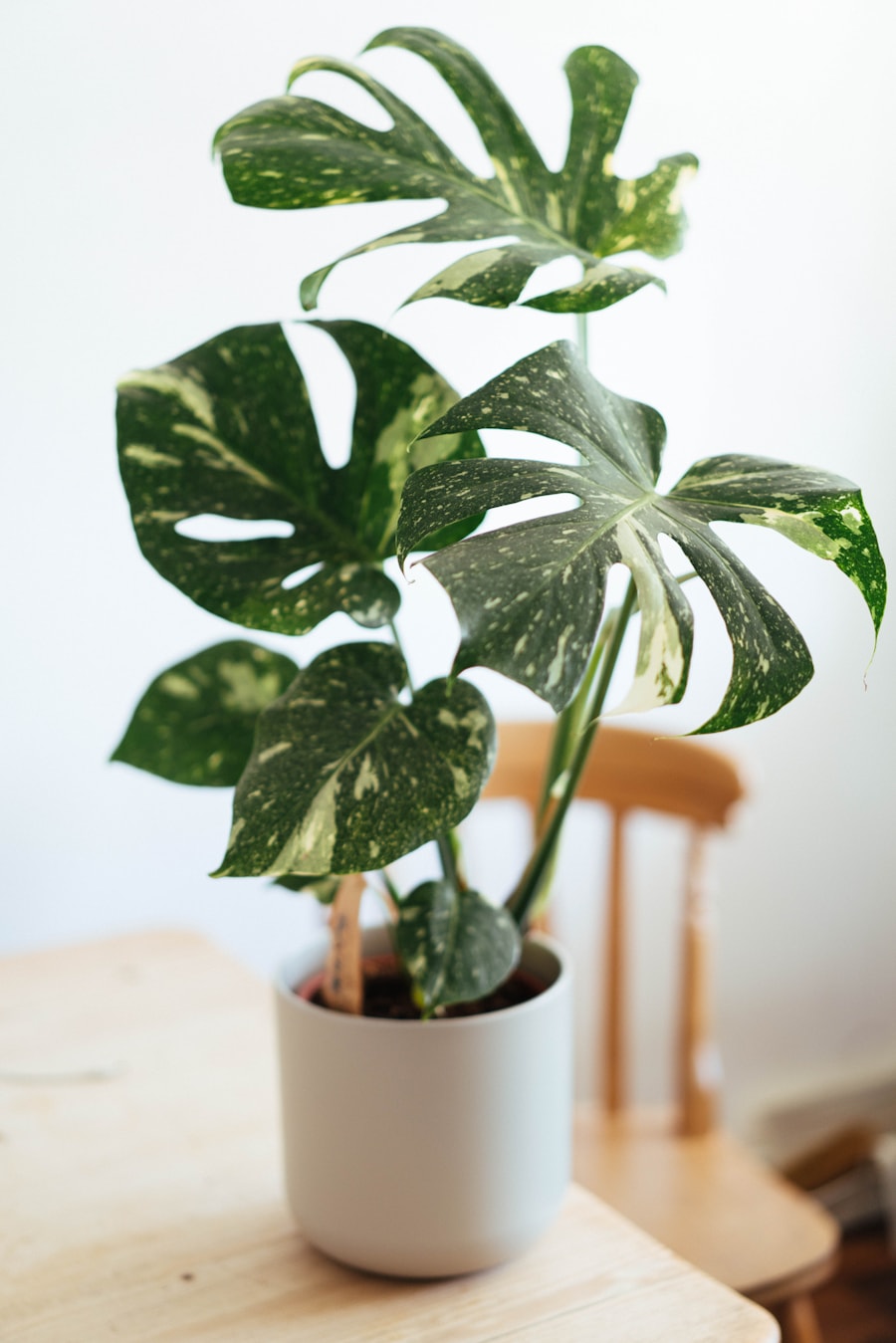
The Monstera - or 'Swiss Cheese Plant' - is the ultimate statement indoor plant. Its dramatic, naturally split leaves make it an instant focal point in any room. It's a fast grower that can fill a corner beautifully with the right care.
Care guide
Water
Every 1-2 weeks
Water when the top 5 cm of soil is dry - roughly every 1-2 weeks. Monsteras like to be watered thoroughly but hate sitting in soggy soil. Always empty the saucer after watering.
Light
Bright indirect light
Thrives in bright indirect light - near a large window is ideal. Can tolerate lower light but will grow slower and produce fewer splits. Avoid direct afternoon sun, which scorches leaves.
Humidity
High · 60%+
Loves humidity (50%+). Mist the leaves regularly, use a pebble tray with water, or place a humidifier nearby. The aerial roots appreciate moisture too.
Temperature
18 - 30°C
Prefers warm, stable temperatures. Avoid draughts, air conditioning vents, and temperatures below 13°C.
Fertiliser
Monthly (Spring-Summer)
Feed with a balanced liquid fertiliser monthly during spring and summer. Reduce to every 6-8 weeks in autumn. Stop in winter.
Soil
Rich, well-draining mix with perlite
Use a rich potting mix with added perlite or bark for drainage and aeration. Repot every 1-2 years in spring when roots fill the pot.
Pro tips
- 1
Aerial roots are normal and healthy - you can guide them into the soil or a moss pole for extra support.
- 2
The splits (fenestrations) develop as the plant matures - young leaves are heart-shaped, which is normal.
- 3
Wipe the large leaves with a damp cloth monthly to remove dust and help photosynthesis.
- 4
A moss pole or stake helps it grow upright and produces larger, more split leaves.
- 5
Yellow leaves usually mean overwatering; brown, crispy edges usually mean low humidity or underwatering.
Important
- Toxic to cats and dogs if ingested. Keep out of reach of pets.
- Mildly toxic to humans - causes irritation if ingested.